-

Why the branding of capitalism is broken?
The branding of capitalism is broken because it is constantly misrepresented. What is called “capitalism” today often includes heavy state intervention, corporate favoritism, bailouts, and regulation, systems that libertarians would describe as corporatism or cronyism, not true free markets. This confusion allows critics to blame capitalism for problems actually caused…
-
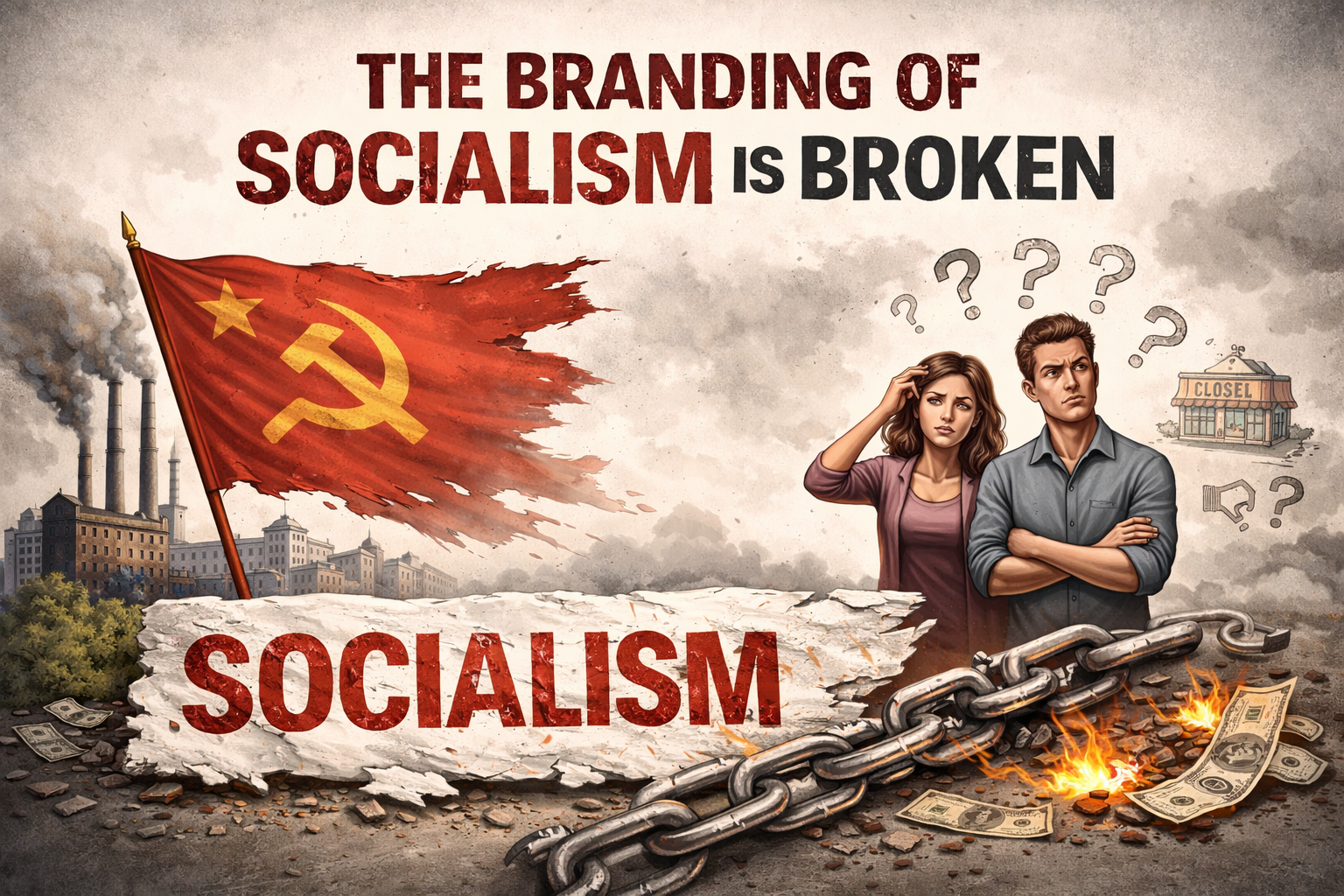
Why the branding of socialism is broken?
The branding of socialism is broken because the word itself is overloaded with history. For many people, it immediately brings to mind state control, economic stagnation, and authoritarian regimes associations that are hard to shake, even when modern advocates mean something different. It also lacks a clear, stable definition. “Socialism”…
-
Libertarian Lexicon #8 – Retardtarian & Retardtarianism – Rookiebardian & Rookiebardianism – Socialtarian & Socialtarianism – Mutualtarian & Mutualtarianism
Retardtarian (noun)A self-identified libertarian who consistently misunderstands or misapplies libertarian principles, often advocating incoherent, contradictory, or intellectually shallow positions while still claiming allegiance to liberty. Retardtarianism (noun)A confused or degraded form of libertarian thought characterized by poor reasoning, surface-level analysis, and inconsistent application of core principles such as property rights…
-
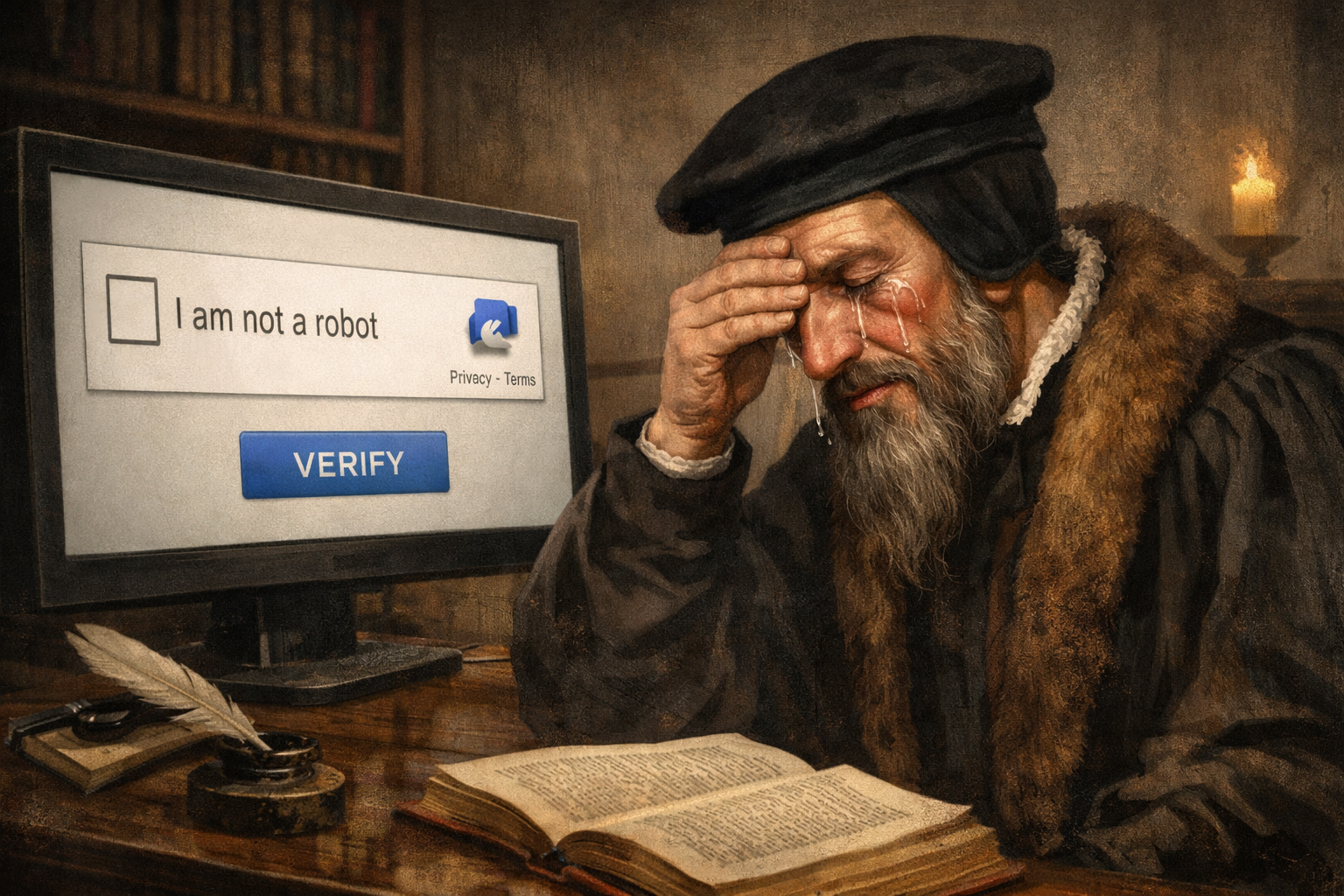
Calvinism and Free Will: A Question of Definitions
When Calvinists affirm that they believe in free will, the disagreement that follows is rarely about whether human beings make choices. Rather, it concerns what kind of freedom those choices represent. At its core, the debate turns on competing definitions of free will and their implications for responsibility and divine…
-
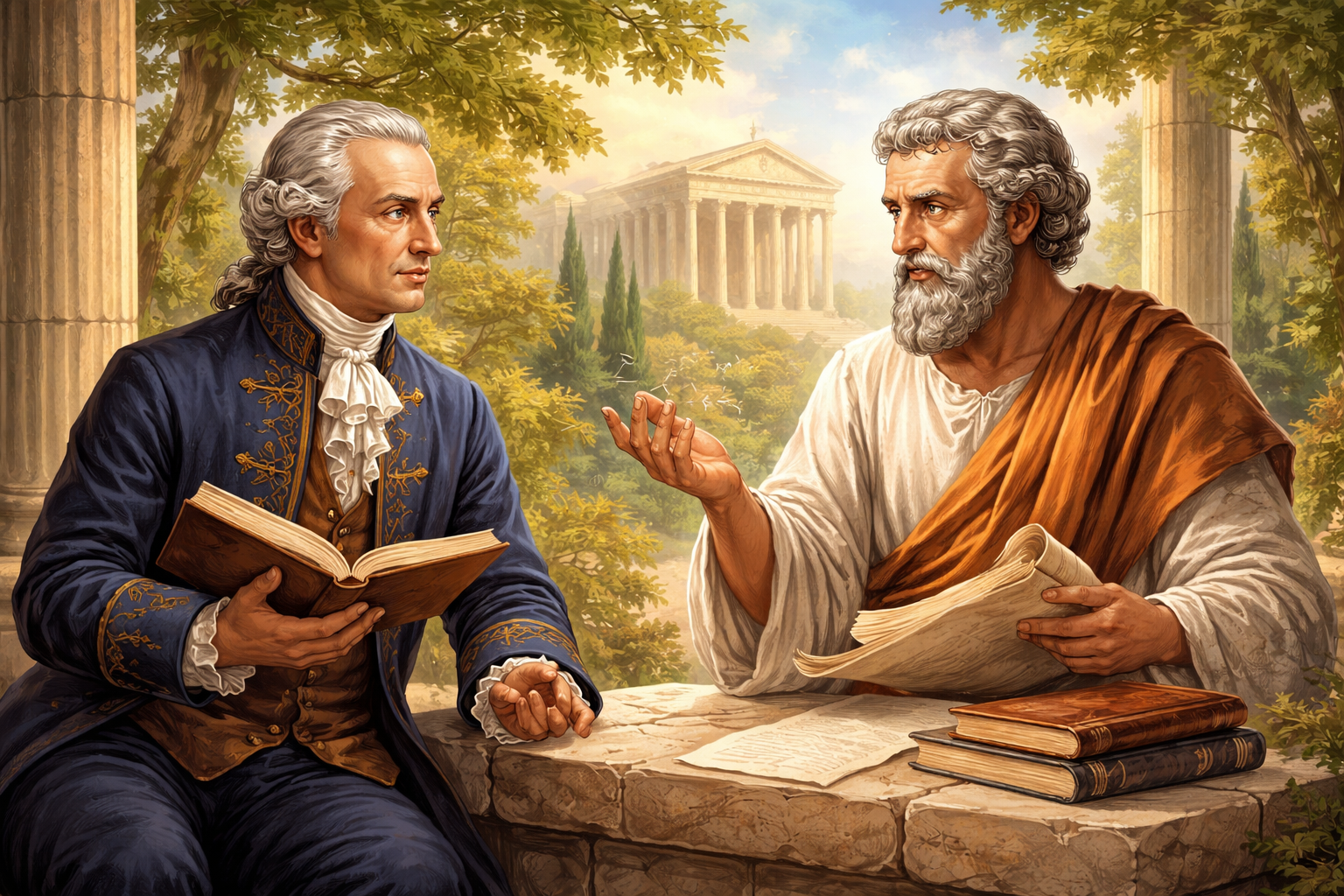
Reconciling Kant and Aristotle: Universal Morality Without Platonism
Modern moral philosophy is often presented as a sharp choice between two traditions. On one side stands Immanuel Kant, whose ethics emphasizes universal moral law grounded in reason. On the other stands Aristotle, whose ethics centers on human flourishing, virtue, and the development of character. Kant is commonly associated with deontological, rule-based morality…
-
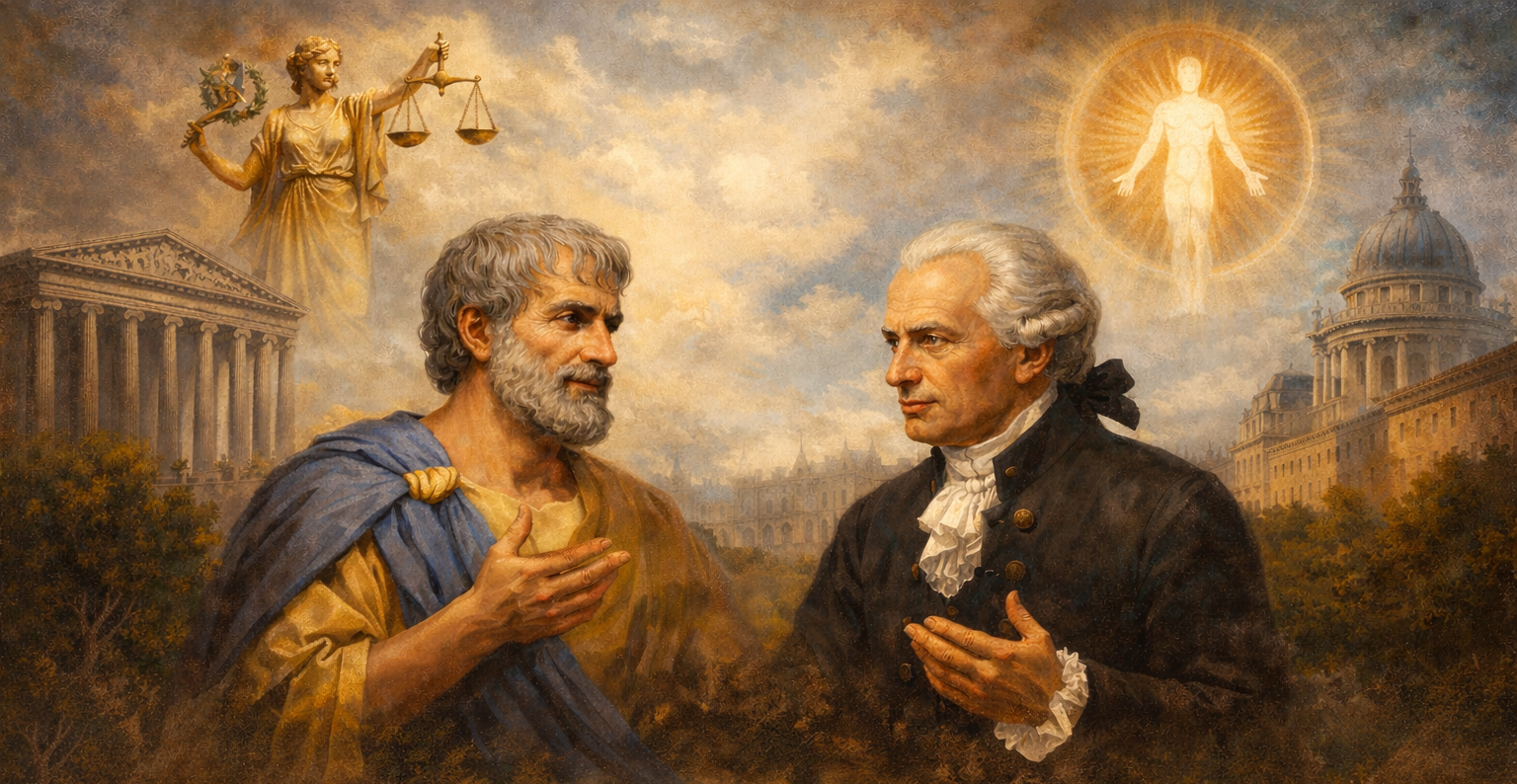
Aristotle and Kant on Politeness: Virtue, Duty, and Respect in Social Ethics
A synthesis between Aristotelian politeness and Kantian politeness combines two different ethical perspectives on social behavior: one centered on virtue and character formation, and the other on universal respect for persons as moral agents. In Aristotle’s philosophy, politeness belongs to the domain of the social virtues. In the Nicomachean Ethics,…
-
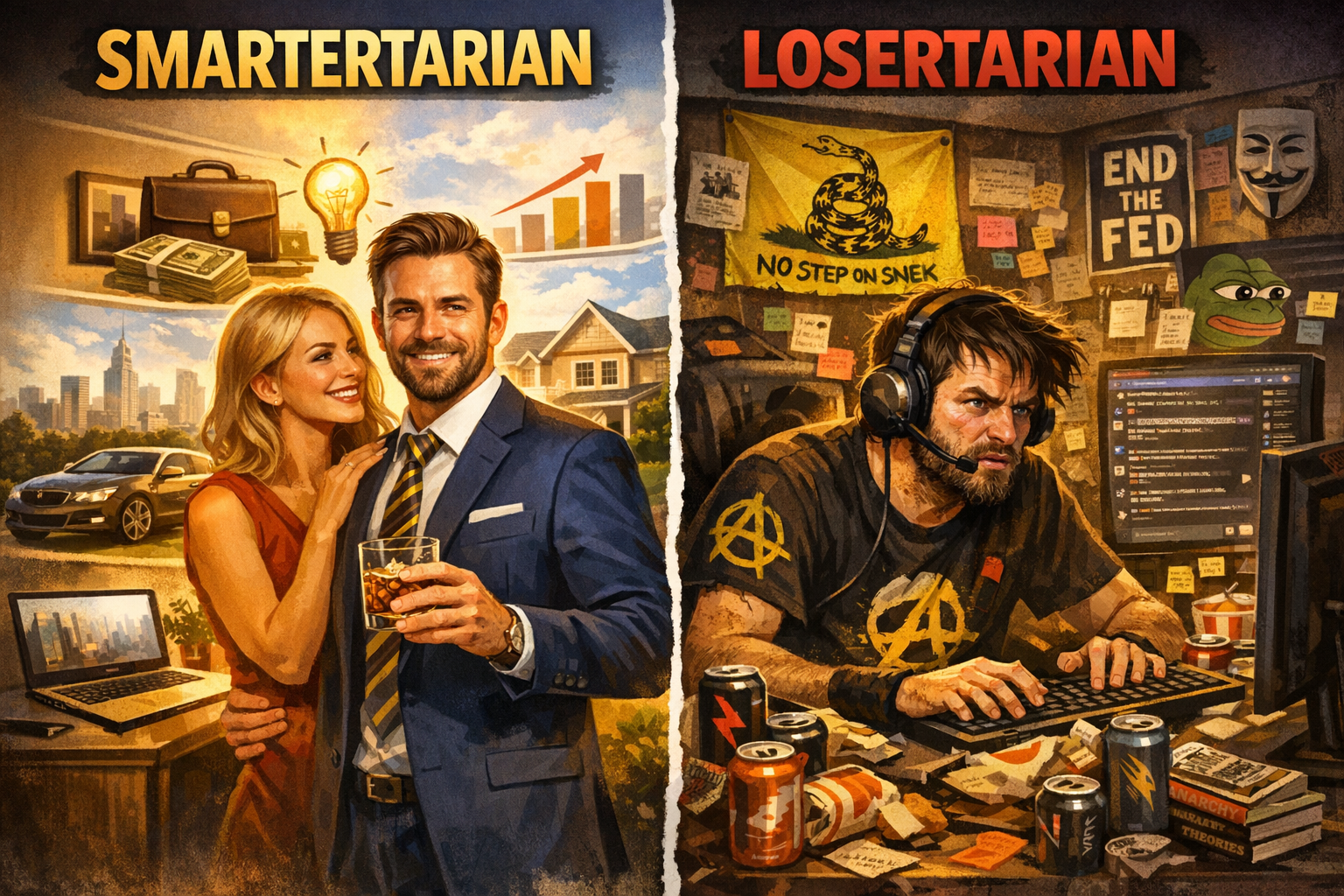
Libertarian Lexicon #7 – Smartertarian & Losertarian
Smartertarian (noun) A libertarian who translates principles into tangible success in real life. A smartertarian builds a meaningful existence—such as a stable relationship, family, business, career, or creative work—and demonstrates intelligence through clarity of thought, sound judgment, and grounded behavior. Rather than living online, they pursue purpose, competence, and responsibility, embodying…
-

Libertarian Lexicon #6 – Taxertarian
Taxertarian/ˌtæk.sərˈtɛr.i.ən/noun (derogatory, satirical) Definition:A self-described libertarian who nonetheless supports taxation—thereby holding a position fundamentally incompatible with libertarianism’s core principle that taxation is theft and that all taxes should ultimately be abolished. Description:A Taxertarian typically attempts to reconcile libertarian rhetoric with pro-tax positions by selectively redefining coercion, downplaying the non-consensual nature of taxation, or carving out “exceptional” taxes…
-

Libertarian Lexicon #5 – Teenagetarian
Teenagetarian/ˌtiːnˈeɪdʒəˌtɛəɹiən/noun (informal, pejorative) adjective Common traits: Usage notes:The term is an internal critique, not a dismissal of young libertarians as such. It targets a phase of ideological immaturity, not age itself; some grow out of it, others remain stuck. Example sentences:

Philippe
Lemieux
いい気分だわ!