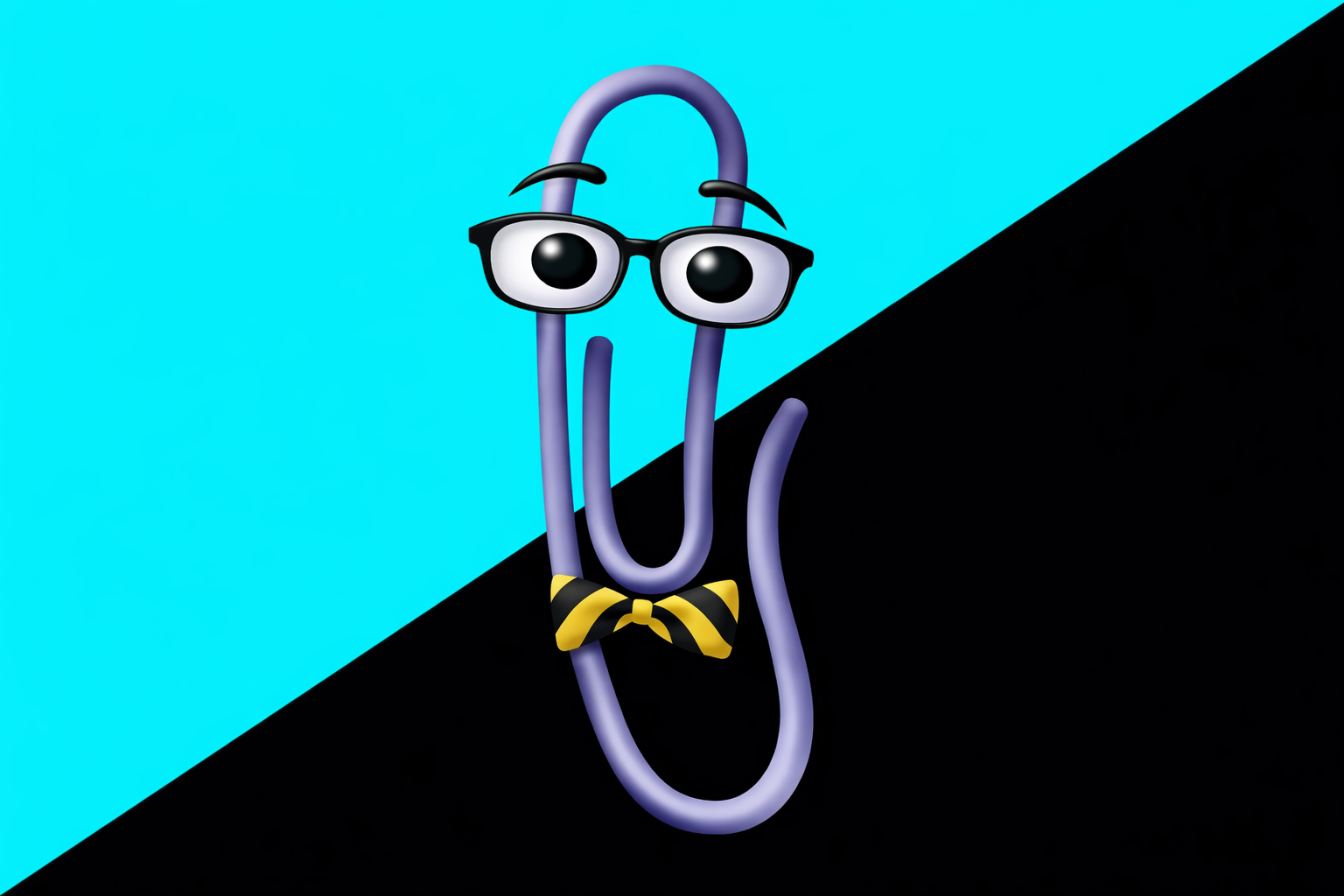
Being “transcendental” on the political compass means operating outside its usual categories. The term has nothing to do with metaphysics, theology or spirituality. It is used only as a political label for a perspective that rejects the standard divisions between left and right, authoritarian and libertarian.
The political compass assumes that every ideology can be placed somewhere within its four quadrants. A transcendental position rejects this assumption. It is not centrism, since centrism still occupies the middle of the grid. Nor is it simply a mixture of left-wing and right-wing ideas. It questions whether the grid itself adequately represents political thought.
Its first characteristic is the rejection of conventional political categories. Supporters see the quadrants as superficial divisions that often conceal the assumptions shared by rival parties and ideologies. Different factions may struggle for power while continuing to accept the same institutions and political framework.
Its second characteristic is an emphasis on consciousness. Transcendental politics argues that societies reflect the habits, fears, values, and expectations of their members. Changing laws or governments may accomplish little when the underlying culture remains dominated by obedience, resentment, or tribalism. Lasting political change must therefore include personal and cultural transformation.
Its final characteristic is a post-ideological objective. The goal is not partisan victory or the permanent domination of one quadrant. It is greater awareness, cooperation, unity, and human development.
A transcendental position is therefore not a fifth quadrant. It is a refusal to treat the political compass as the limit of political possibility.
Leave a Reply