-
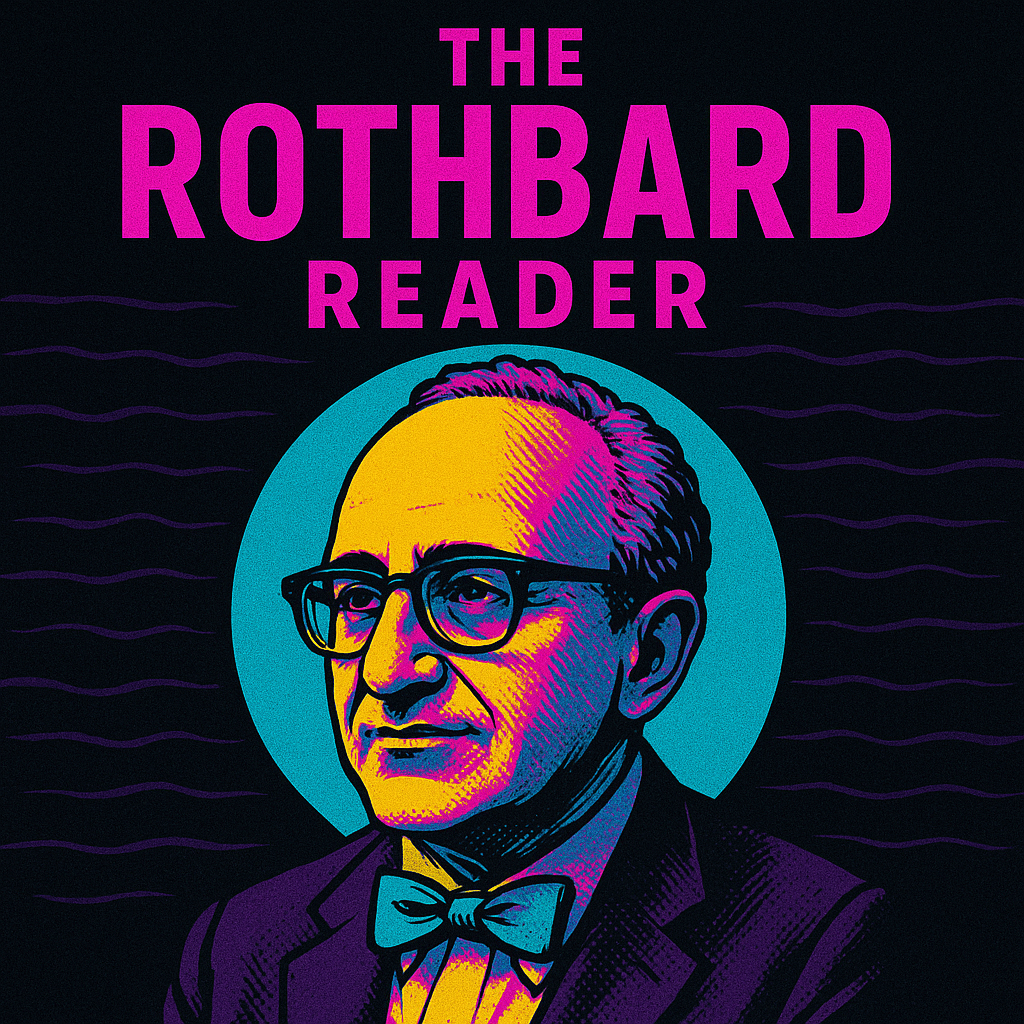
French translation of The Rothbard Reader (Section 1, Rothbard: Man, Economist Anti-Statist, Chapter 1: Murray Rothbard) V1
Voici une traduction française de The Rothbard Reader que je suis entrain de produire et dont j’ai nommé Rothbard : Anthologie. (Ceci n’est pas une version définitive) Section I: Rothbard: Man, Economist Anti-Statist Chapitre 1: Murray Rothbard L’affiche sur le mur de Murray Rothbard représente un professeur grisonnant qui pianote…
-

New website design and more articles in the future
Version 2.0 of the website Hi, This post is to inform you that I have updated the website with a new template — something more vaporwave and closer to 80s–90s tropical vibes (very pink and bi/gay which it’s based), I changed the name of the website, no more “self-proclaim philosopher”…
-

Le paradoxe de la gauche
(English version at the end of the article) L’objectif de la gauche radicale d’abolir la propriété privée se heurte à des obstacles philosophiques et pratiques majeurs, notamment en ce qui concerne le concept de propriété de soi. Murray Rothbard, figure emblématique du libertarianisme, a développé un argument puissant en faveur…
-

Who Owns the Titanic in 2025?
A Legal and Ideological Analysis Through Rothbard, Konkin, and International Maritime Law Texte en français à la fin de l’article. Who Owns the Titanic in 2025? A Legal and Ideological Analysis Through Rothbard, Konkin, and International Maritime Law The wreck of the Titanic, which sank in 1912, remains a subject…
-

Pourquoi je ne suis pas un supporteur de l’IEDM
Un regard libertarien sur l’Institut économique de Montréal (English translation at the end of this article) L’Institut économique de Montréal (IEDM) est souvent présenté comme un bastion des idées du libre marché au Québec. À première vue, cela pourrait sembler aligné avec les valeurs libertariennes : réduction de l’État, promotion…
-
The Spooner-Tucker Doctrine and Its Evolution
Introduction The individualist anarchist doctrine, most commonly associated with Lysander Spooner and Benjamin Tucker, has left an indelible mark on libertarian thought and political economy. Though both men wrote primarily in the latter half of the 19th century, their ideas influenced later thinkers such as Murray Rothbard, who redefined and…

Philippe
Lemieux
いい気分だわ!