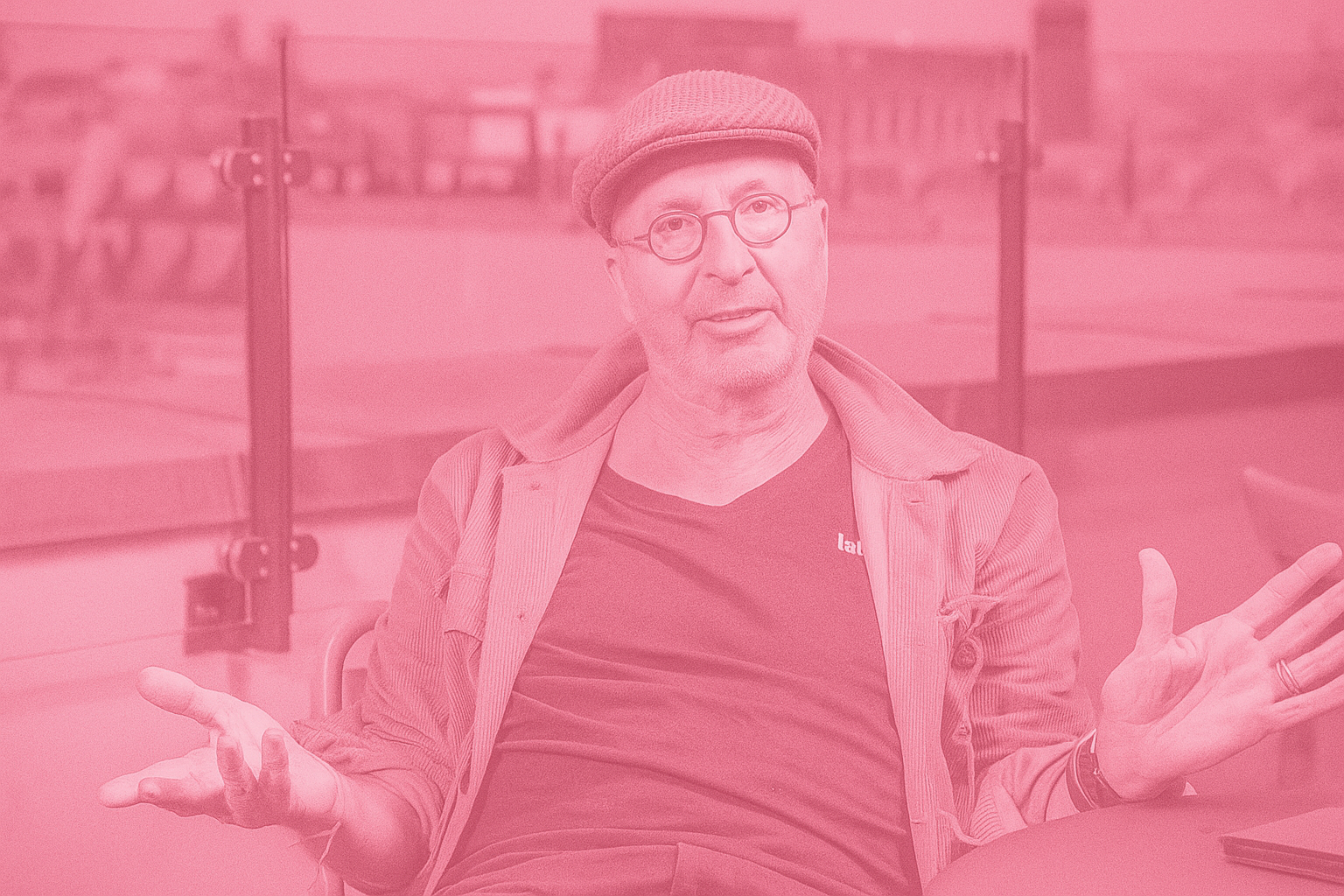
Some thinkers do not construct grand abstract systems. Instead, they illuminate our most concrete contradictions. Jean-Claude Michéa belongs to this category. He has become an essential reference for understanding the moral, cultural and political crisis of the contemporary West. Not because he offers a new ideology, but because he exposes the illusions of the dominant ones, whether they present themselves as progressive, liberal or technocratic.
It is important to say clearly that I do not agree with everything Michéa argues. Some of his positions diverge from my own analyses and from what I present to my readers. But this is precisely why he is worth reading. Even his blind spots, his excesses or his hesitations shed light on areas most thinkers ignore. He is a fertile mind, a useful critic and a catalyst for thinking differently.
1. A Radical Critic of Modern Progressivism
Michéa highlights something few intellectuals dare to admit: modern progressivism is no longer an emancipatory project. It has become the official philosophy of globalized capitalism. The most powerful economic and cultural institutions in the world now speak the same language as progressive activists: fluidity, total mobility, the abolition of limits, uprooting, the deconstruction of traditional frameworks, absolute individualism and the rejection of any norm labeled as reactionary.
For Michéa, this is no accident.
Capitalism needs:
- individuals who are isolated, detached from natural communities and more easily manipulated
- a world without limits, without borders, without heritage, fully open to the circulation of goods
- a moral landscape emptied of tradition, where freedom means the ability to consume everything
Progressivism and capitalism therefore advance together, each reinforcing the other. This is one of the key insights that explains why today’s cultural left defends the values and worldview of major economic power centers.
2. Liberalism as a Total Philosophy
One of Michéa’s most important contributions is showing that liberalism is not just an economic theory. It is an anthropology, a vision of human nature. This vision rests on three assumptions:
- humans are primarily rational individuals pursuing their own interests
- society is nothing more than a sum of individual wills
- conflicts are resolved by legal procedures or market mechanisms
By exposing the philosophical dimension of liberalism, Michéa explains why the liberal right and the progressive left so often align in shaping modern society. They share the same individualistic, contractual and procedural worldview, simply applied to different issues.
3. A Defense of Common Sense and the Real People
Unlike the academic left obsessed with abstract categories such as classes, identities or structures, Michéa turns to real people, those who live, work, transmit and do not change their opinions according to ideological fashion.
Common sense is for him the only solid foundation for a non ideological political ethic.
This does not mean endorsing every popular belief. It means recognizing that:
- ordinary decency
- respect for limits
- attachment to places and people
- the dignity of work
- solidarity that is lived, not proclaimed
are deeper anthropological foundations than any theory exported from elite universities.
This rehabilitation of common sense makes Michéa an essential guide for understanding the fracture between progressive elites and working-class populations, a fracture illustrated by movements such as the Yellow Vests.
4. Revealing the Central Contradiction of Modernity
Michéa’s greatest insight is revealing the paradox at the heart of modern liberal societies: modern liberalism destroys the cultural foundations that make a free society possible in the first place.
In other words:
- markets require trust
- contracts require a pre-existing moral framework
- a free society requires boundaries and cultural transmission
- autonomous individuals require stable communities
Yet liberalism and progressivism actively erode these very foundations. They cut the branch they are sitting on.
This is why, according to Michéa, our societies become simultaneously more individualistic and more authoritarian. When ethics collapses, only the state can impose order.
5. A Necessary Thinker for Understanding Civilizational Decline
Michéa is neither a reactionary, nor an orthodox Marxist, nor a conservative, nor a libertarian.
His originality rests on three points:
- he reads Orwell against the modern left
- he offers a radical critique of consumer society
- he refuses to sacrifice the human being to abstract systems
His work speaks to the left and to the right, to the heirs of the workers’ movement and to critics of cultural progressivism, to disillusioned libertarians and anti elite populists. He functions as a cartographer of modern decadence, an analyst of the illusions that shape our institutions, our behaviors and our ways of thinking.
Conclusion: Michéa Matters Because He Names What Others Refuse to See
Jean-Claude Michéa is one of the rare intellectuals capable of understanding the left better than it understands itself, of criticizing capitalism without becoming an apologist for bureaucracy, of defending ordinary people without falling into crude populism, of defending limits without becoming reactionary.
Even though I do not share all of his positions, Michéa remains a valuable author. His analyses, his intuitions and even his contradictions offer an indispensable perspective on our present impasse. One can disagree with him, but it is impossible to ignore him.
He reminds us that any free society rests on a shared morality, a sense of decency and a loyalty to what cannot be bought. In a world obsessed with innovation for its own sake, with limitlessness, with perpetual deconstruction and with the total marketplace, Michéa acts as an intellectual antidote, a reminder that true civilization begins with inheritance, community and common sense.
Leave a Reply