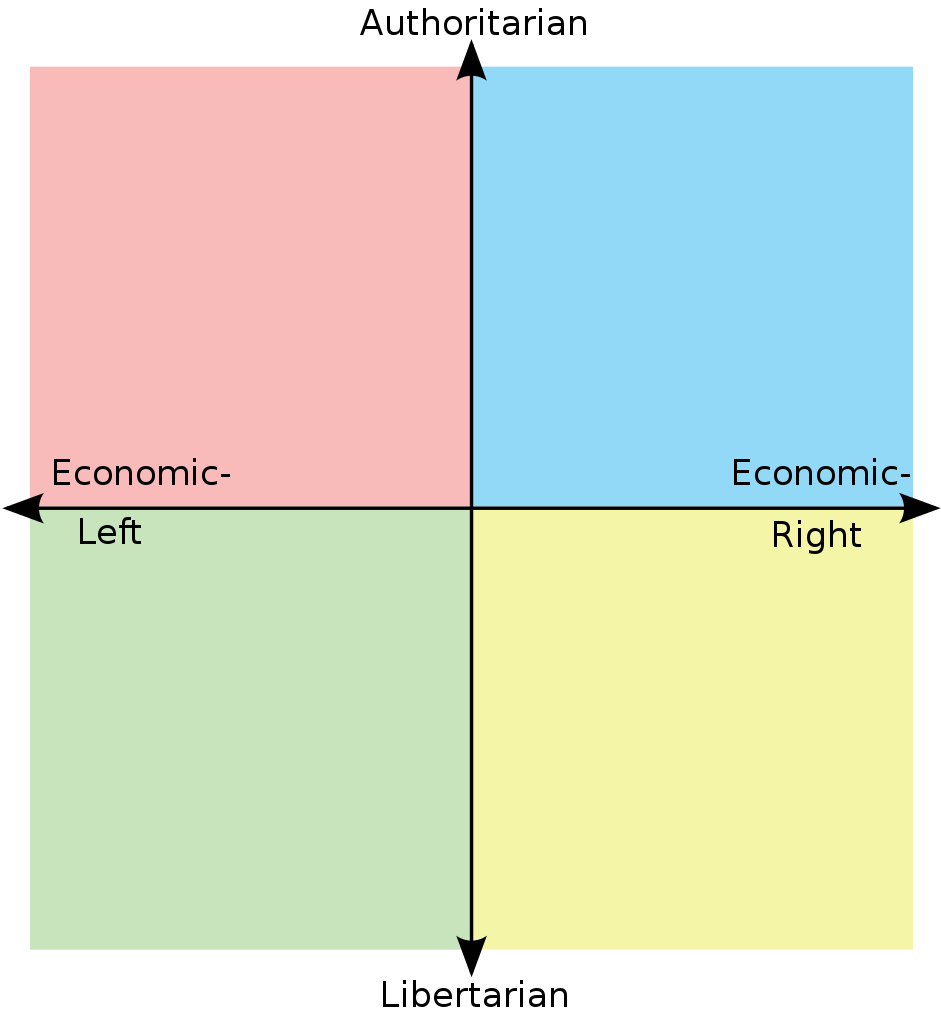
In a world obsessed with political labels, most people pick a side like they pick a sports team — out of habit, emotion, or social belonging. But ideology, when reduced to a tribal badge, becomes the very opposite of what it claims to be: instead of freeing the mind, it cages it. That’s why I find myself at odds not just with one faction, but with all of them — centrists, leftists, and rightists alike.
The Centrist Illusion: Balance Without Substance
Centrism often presents itself as the voice of reason, moderation, and pragmatism. Yet in practice, it too often becomes a refuge for those who fear taking clear positions. The centrist seeks compromise for its own sake — not truth, not justice, but comfort. It is an ideology of indecision disguised as wisdom.
By trying to reconcile contradictions without resolving them, centrism ends up reinforcing the status quo. It maintains the structures of power by refusing to question them deeply. “Meet halfway,” they say — but halfway between tyranny and freedom is still tyranny.
The Leftist Trap: Equality Over Liberty
Leftists champion noble causes — solidarity, equality, compassion. But when equality is placed above liberty, the result is coercion. History shows this pattern clearly: when the state becomes the tool to “correct” all inequalities, it grows uncontrollably, turning morality into law and disagreement into crime.
The left’s moral outrage is often justified, but its solutions are usually authoritarian. Its faith in collective ownership, redistribution, and social planning ignores the spontaneous order that emerges from free cooperation. The problem is not compassion; it’s coercion disguised as compassion.
The Rightist Mirage: Order Over Individuality
The right, on the other hand, romanticizes order, tradition, and hierarchy. It values stability over spontaneity, control over creativity. While conservatives often defend private property and free enterprise, they also defend nationalism, borders, and religious moralism — all forms of collective control.
In their fear of chaos, rightists sacrifice the very essence of liberty: the individual’s right to self-determine, even if that means defying tradition or authority. Freedom is not obedience to the old; it’s the courage to invent the new.
Beyond the Spectrum: The Individualist Alternative
Each faction contains a fragment of truth: the left’s empathy, the right’s respect for order, the centrist’s caution. But all of them share one fatal flaw — they define themselves through collectives. They are “movements,” “parties,” “classes,” or “nations.” Their moral lens is always group-focused.
The real revolution begins when the individual stops identifying with any herd. The individualist — whether inspired by Spooner, Tucker, or Konkin — understands that liberty is personal, not political. Voluntary association replaces coercive government; free exchange replaces central planning; self-ownership replaces collective will.
When people stop asking “which side are you on?” and start asking “who owns me?” — that’s when true anarchism, true liberty, begins.
Conclusion: Against All Camps
To disagree with all sides is not nihilism — it’s clarity. It’s realizing that truth cannot be captured by slogans, nor freedom by factions. The genuine radical does not sit in the middle of the spectrum, nor at its ends. He stands outside it altogether.
The left dreams of equality, the right of order, the centrist of harmony. I dream of autonomy — a world where no one rules, no one obeys, and every human being stands sovereign over themselves.
Leave a Reply