-
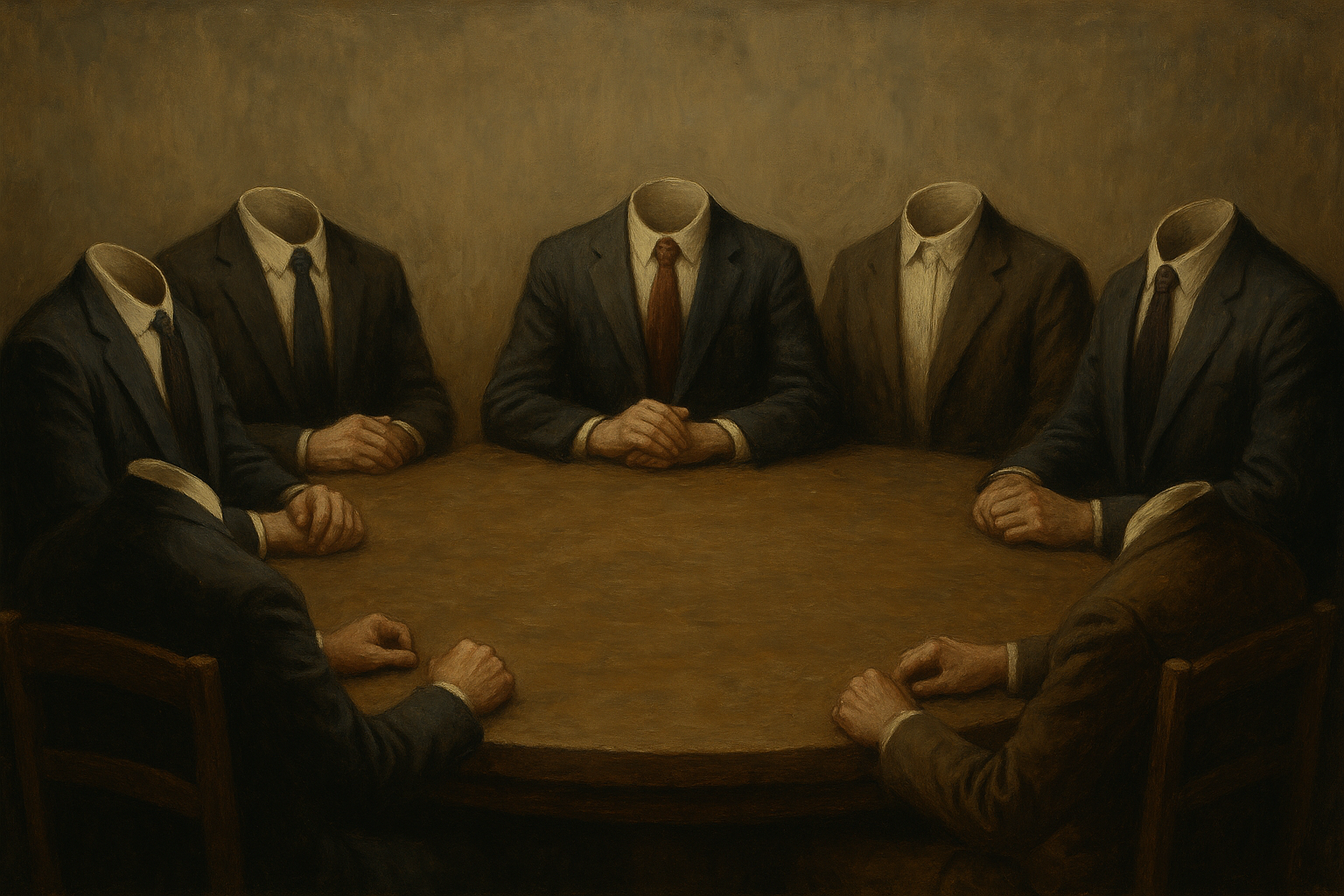
The Dead Center of Power
The real structure of modern power is not a Cathedral but a Round Table, and this Round Table is the centralized State itself. It is a headless cartel where corporations, universities, media, NGOs, activists, bureaucrats, and empowered minority coalitions all sit as equal partners. No group is truly above the…
-
Why the Term Neo-Libertarianism Is Fundamentally Confusing
A Complete Analysis of a Concept Split into Six Incompatible Doctrines Among contemporary political terms, few have collapsed into incoherence as dramatically as “neo-libertarianism.”Originally coined in a specific academic context, it has since been recycled, distorted, and appropriated by ideological currents that have nothing in common. Today, “neo-libertarianism” can mean:…
-

Is Racism Always a Primitive Form of Collectivism (Quebec Edition)
Ayn Rand famously argued that racism is the most primitive and crudest form of collectivism. In her view, judging someone by their ethnic or cultural origin instead of their individual character is a regression to tribal thinking where the person disappears behind the group. From a moral individualist standpoint, the…
-

Is Racism Always a Primitive Form of Collectivism? (Smaller-Scale Edition)
Reusing the Same Analytical Structure With New Names and a More Local Example In the initial text, the argument explored how collectivist identities, even irrational ones like racial tribalism, may sometimes function as forces of fragmentation rather than fusion. The original framework examined a commune splitting into two, then each…
-

Is Racism Always a Primitive Form of Collectivism?
A Counterargument to Rand’s Aphorism in a World of Global Uniformity Ayn Rand, a key figure in 20th-century individualist libertarian thought, famously claimed that “racism is the most primitive and crudest form of collectivism.” In her view, judging a person by their racial identity rather than by their character, intellect,…
-

Why Jean-Claude Michéa Matters
Some thinkers do not construct grand abstract systems. Instead, they illuminate our most concrete contradictions. Jean-Claude Michéa belongs to this category. He has become an essential reference for understanding the moral, cultural and political crisis of the contemporary West. Not because he offers a new ideology, but because he exposes…
-
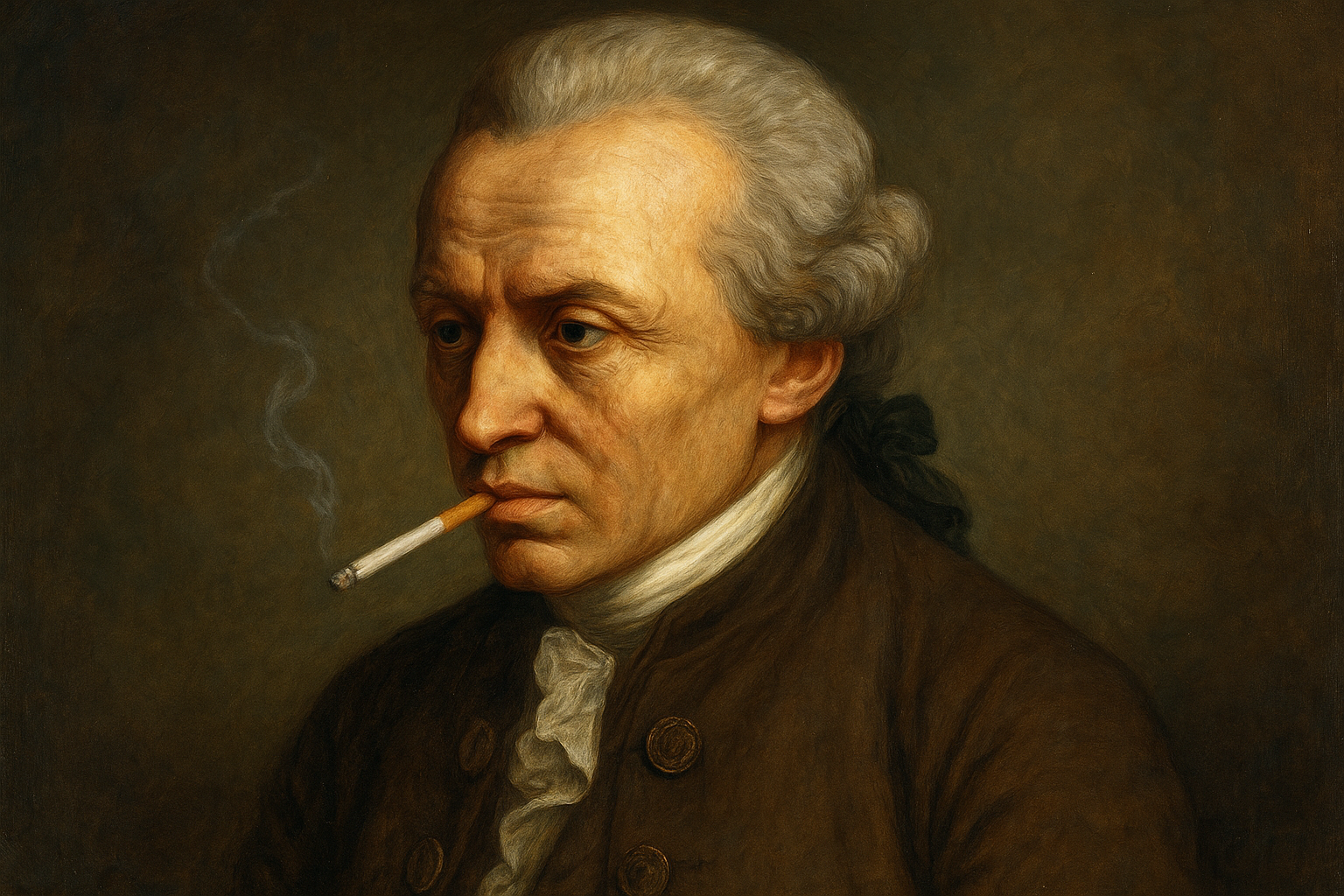
Unsocial Sociability and the Elitist Individual
Kant’s concept of unsocial sociability (ungesellige Geselligkeit) is one of the most illuminating ideas for understanding the dynamics of human evolution. It describes a fundamental tension in human nature: we are driven to live with others, yet we are equally driven to distinguish ourselves, to compete, to assert our uniqueness.…
-

The Cathedral, the State, and the Logic of Tyranny
Contemporary politics is structured around a paradox that few people understand.On one side, Curtis Yarvin argues that we live under the rule of a diffuse ideological super-structure he calls the Cathedral — a decentralized, unelected network that shapes culture, morality, and public policy.On the other side, Murray Rothbard insists that…
-
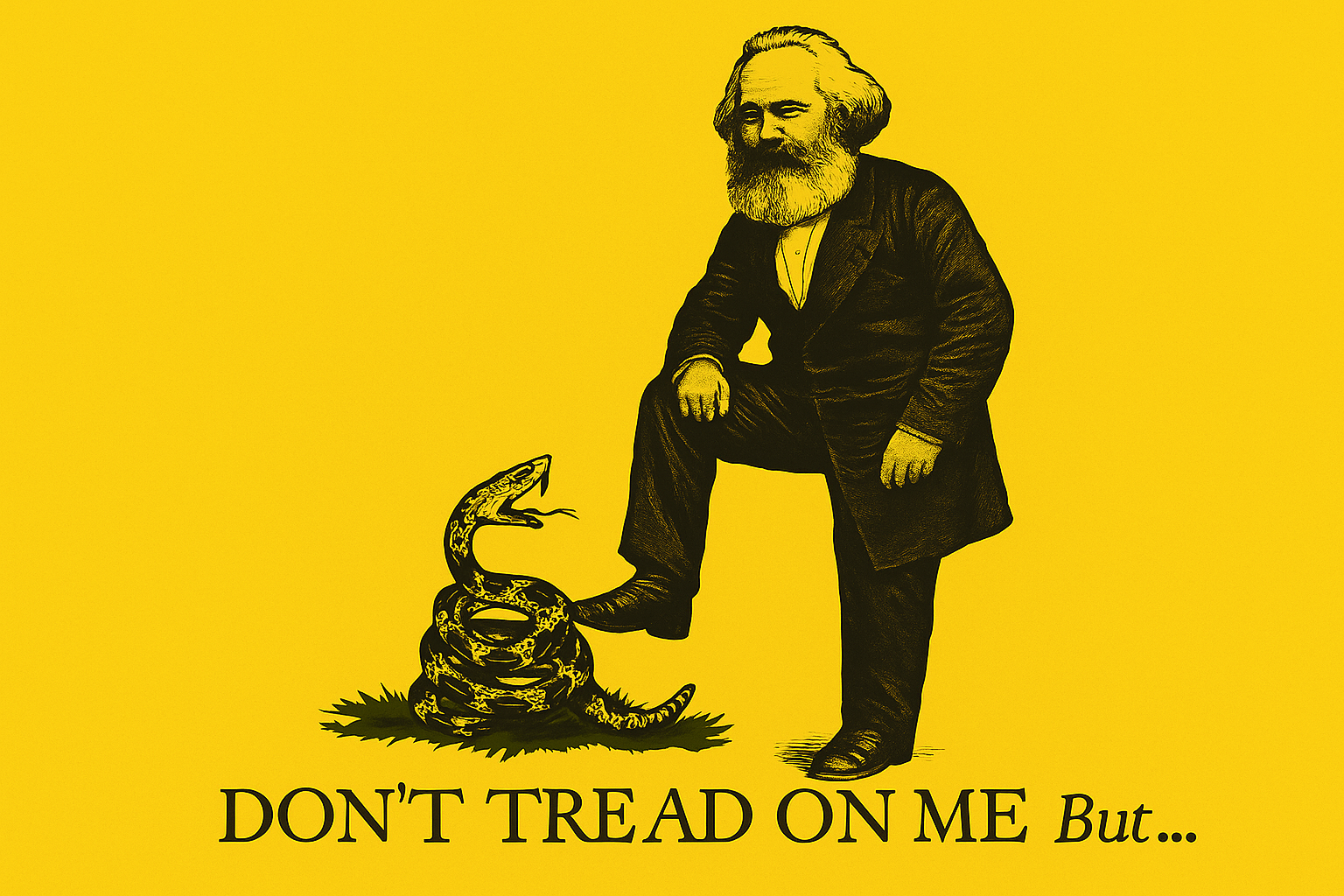
“Strategic Minarchism” and The Historical-Materialist
A strange trend has taken root within a portion of today’s anarcho-capitalist movement: some claim that the only “realistic” path to anarcho-capitalism is through an initial minarchist phase. According to this view, we must first shrink the state, then clean it up, then wait for private institutions to gradually outcompete…
-
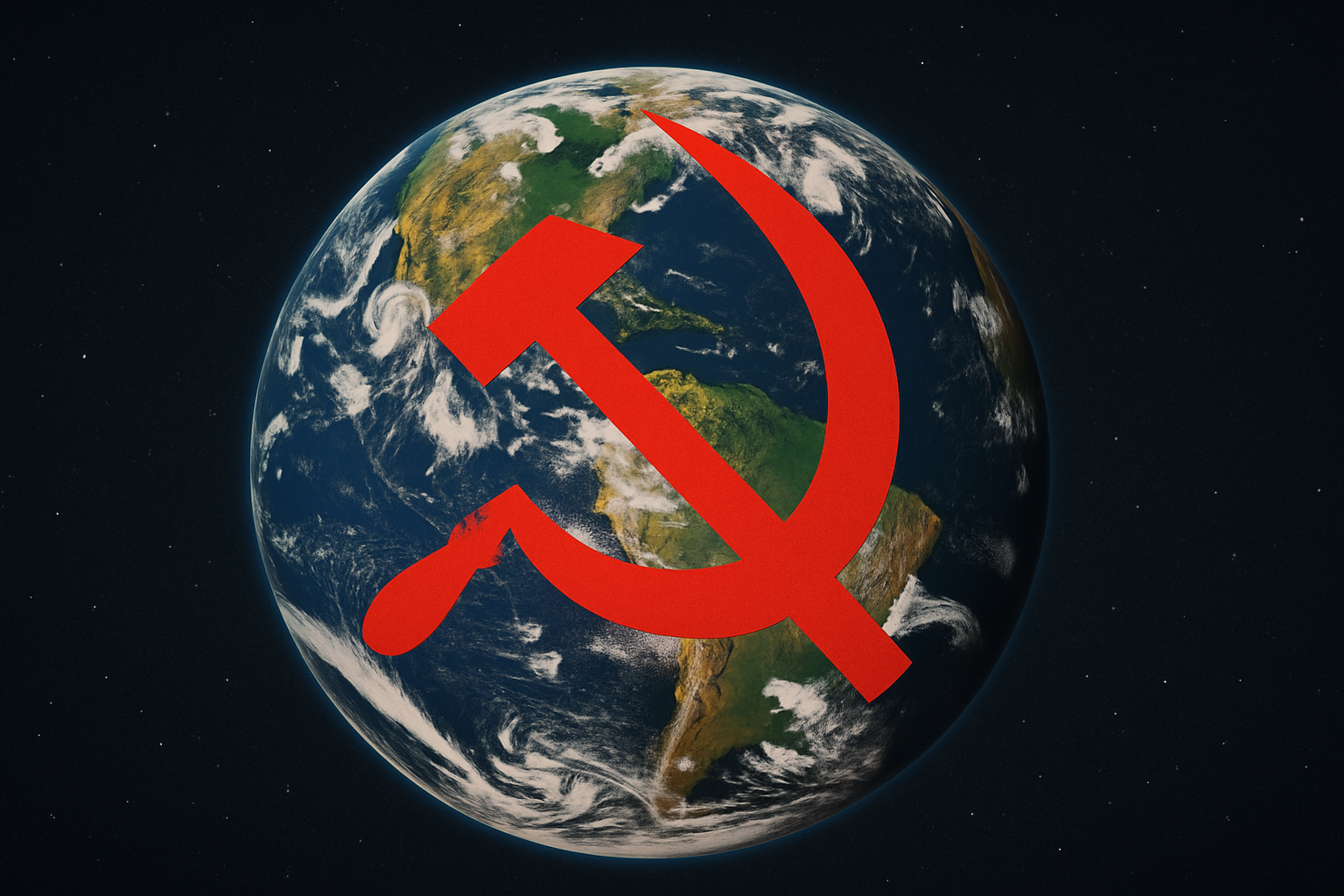
Every Country on Earth Is Communist
Every country on Earth today has a centralized economy. The illusion of capitalism ended the moment every government claimed a monopoly over money, trade, and production. Whether it’s called “monetary policy,” “fiscal stimulus,” or “public investment,” the result is the same: the economy is directed from the top. Central banks…

Philippe
Lemieux
いい気分だわ!